
Verify US mobile driver's licenses from every wallet with Incode Digital ID Verification
Mobile driver's licenses (mDLs) are going mainstream. As of September 2026, 21 US states issue them, alongside Puerto Rico, and the TSA accepts them at more than 250 airports. Just last week, federal banking regulators confirmed banks can use them for know-your-customer (KYC) checks.
But accepting an mDL is harder than carrying one. Each wallet hands the license over differently, each requires its own approval, and every credential has to be proven genuine.
That is exactly what Incode Digital ID Verification was built to address. With Incode Digital ID Verification, businesses get one orchestration layer that accepts and validates mDLs from wallets like Apple, Google, and Samsung, as well as state wallets like CA DMV Wallet, both in person and online. New wallets are added on an ongoing basis. A single integration recognizes each credential, routes it through the right checks, and hands the flow one verified identity.
Incode verifies a digital ID in about 4 seconds, 98% of users clear on the first try, and users without one fall back to a document scan in the same session, so legitimate users aren't turned away, and they don't face unnecessary friction, either.
Incode provides one integration for every credential
Accepting a digital license may sound simple. But building these flows yourself is not.
Mobile wallets share a common standard: ISO 18013-5 sets the credential format and the checks that prove one genuine, but each wallet has its own way to request and present the credential, and its own registration process. So even on a shared standard, every wallet is a separate integration. Additionally, businesses must upkeep their physical license flows for those without an mDL.
Incode Digital ID Verification collapses all of that work into the Incode platform. One integration covers all mDL providers, in person and online, switched on per verification flow.
Behind that integration, Incode runs the trust layer that verification depends on. Incode operates as its own certificate authority, registering directly as a verifier for particular wallet programs. Incode issues and rotates the certificates, tracks trust list changes across wallet providers, and handles revocation, so a business is never alone when managing certificate infrastructure.
For a full list of available credentials, reach out to the Incode sales team.
Every license is checked before it is accepted
Four checks run on every license under ISO 18013-5. All four have to pass for a user to be confirmed:
- A real state DMV signed it. The issuer's signature confirms the license is genuine.
- Nothing in it has been changed since the state issued it.
- It is on the phone it was issued to, so a copy on another device fails.
- The response is fresh, so a replay of an older exchange fails.
For higher assurance, Incode matches an optional live selfie against the license's DMV photo with face match and liveness detection, tying the credential to the person holding it.
Incode Digital ID Verification is private by design
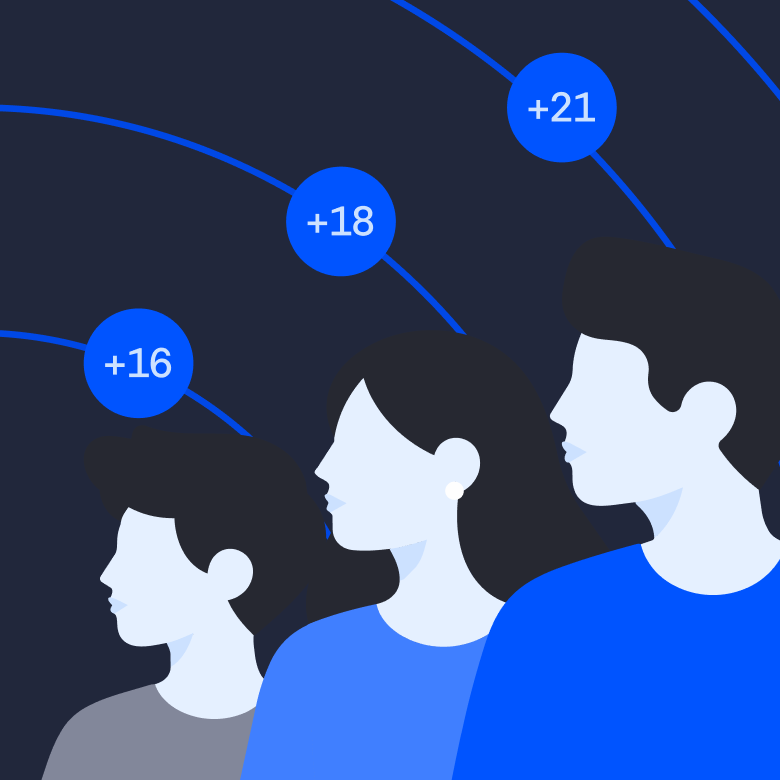
Privacy is built into the exchange through selective disclosure, meaning the wallet shares only the fields a check needs. An age check can ask whether the user is over 21 or 18 and never receive a date of birth, so the birthdate, document number, and address stay on the phone.
For businesses, that means less personal data to store, encrypt, and report on, which simplifies compliance with data-protection requirements and reduces the surface area of a breach. For users, it builds trust: a flow that prioritizes data minimization feels proportionate, and that trust results in higher completion rates.
Selective disclosure also carries through to Incode's risk checks: the signals read after verification are anonymized, so the same privacy posture extends from the wallet exchange into fraud decisioning.
One platform covers mDLs, documents, and biometrics
Digital ID acceptance is becoming table stakes, and several vendors offer it. The difference is what it costs to adopt. Incode covers every supported wallet through one integration and delivers mDL acceptance inside the same platform as document verification, face match, and liveness, so accepting a new credential type is one decision instead of two. That level of interoperability is exactly why eight of the 10 largest US banks already run on Incode.
Where mDL verification fits
Mobile wallets are becoming increasingly relevant in the following moments:
- Opening an account. Banks, credit unions, fintechs, and telecoms can verify a new customer from the state's own signed record rather than text read off a photo, with KYC coverage now explicitly addressed by FinCEN's guidance.
- Age-restricted services. Across alcohol, cannabis, online gaming, and adult content, a wallet credential answers the age assurance threshold question on its own, and only the result comes back.
- Recovering an account. When something looks risky, the flow can ask for more: the license proves it is on the original phone, and a selfie matched to the DMV photo proves the right person is holding it.
With Incode, digital ID verification goes beyond the credential
A verified digital ID settles the identity question: the state signed it, it is on the phone it was issued to, and the selfie matches the DMV photo.
That tells you who the user is. But it tells you nothing about whether the user is a good customer or a bad actor. A genuine license, on the right phone, held by the matching human, can still belong to someone who opened 12 accounts overnight or walked away from a loan at another lender.
Incode looks at both validity and ownership in the same session. Once the credential clears, the flow checks the signals attached to the holder (the face, the device, and the document number), against what has been seen before to flag:
- Repeat fraud. The same face, device, or document number surfacing again after a confirmed fraud attempt.
- Identity inconsistency. One face tied to several documents, or one document behind several faces, which is how synthetic identities get built.
- Behavioral abuse. Users who are exactly who they claim to be and still default on loans or sell the account after onboarding.
- Coordinated activity. Sessions that each pass on their own and share a device or an address fragment.
Accept the license already on the phone
The mDL is now signed by states, accepted by TSA, and permitted for bank identity checks by federal regulators. Businesses that accept it give a fast-growing share of users their quickest path through verification. Incode validates every supported US mobile license through one integration, with the document scan fallback built in for everyone else.
The credential landscape extends well beyond the US. Europe's eIDAS 2 regulation will bring the EU Digital Identity Wallet to member states, and national eID programs like BankID, MitID, Singpass, and DigiLocker already anchor identity verification in their regions.
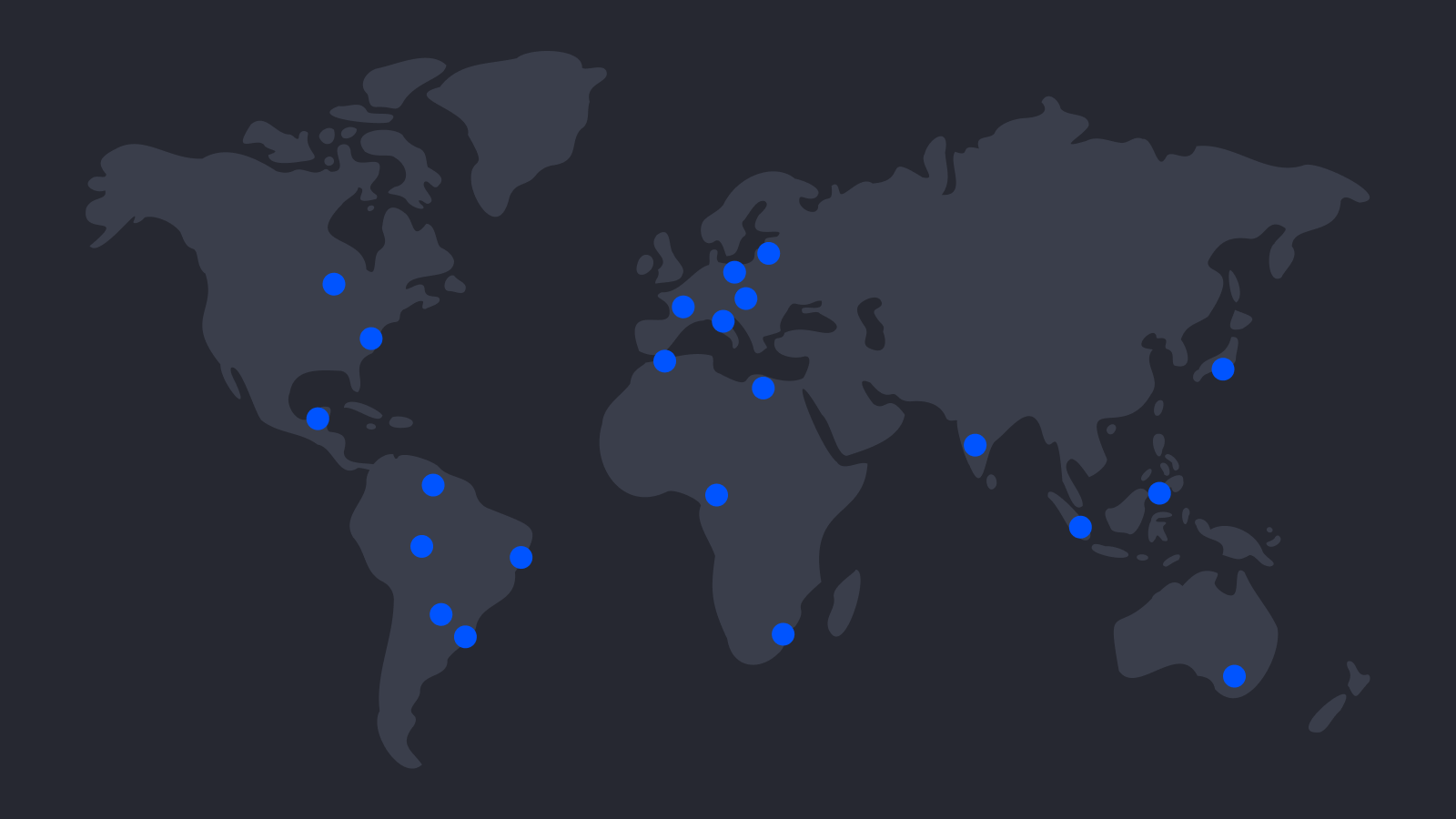
Incode supports digital IDs from a growing number of territories across the globe.
Incode's Digital ID Verification is built to extend into these markets as they mature, with the same orchestration layer adapting to each region's standards and wallets.
Ready to see how digital ID verification fits your flow? Request a demo today.