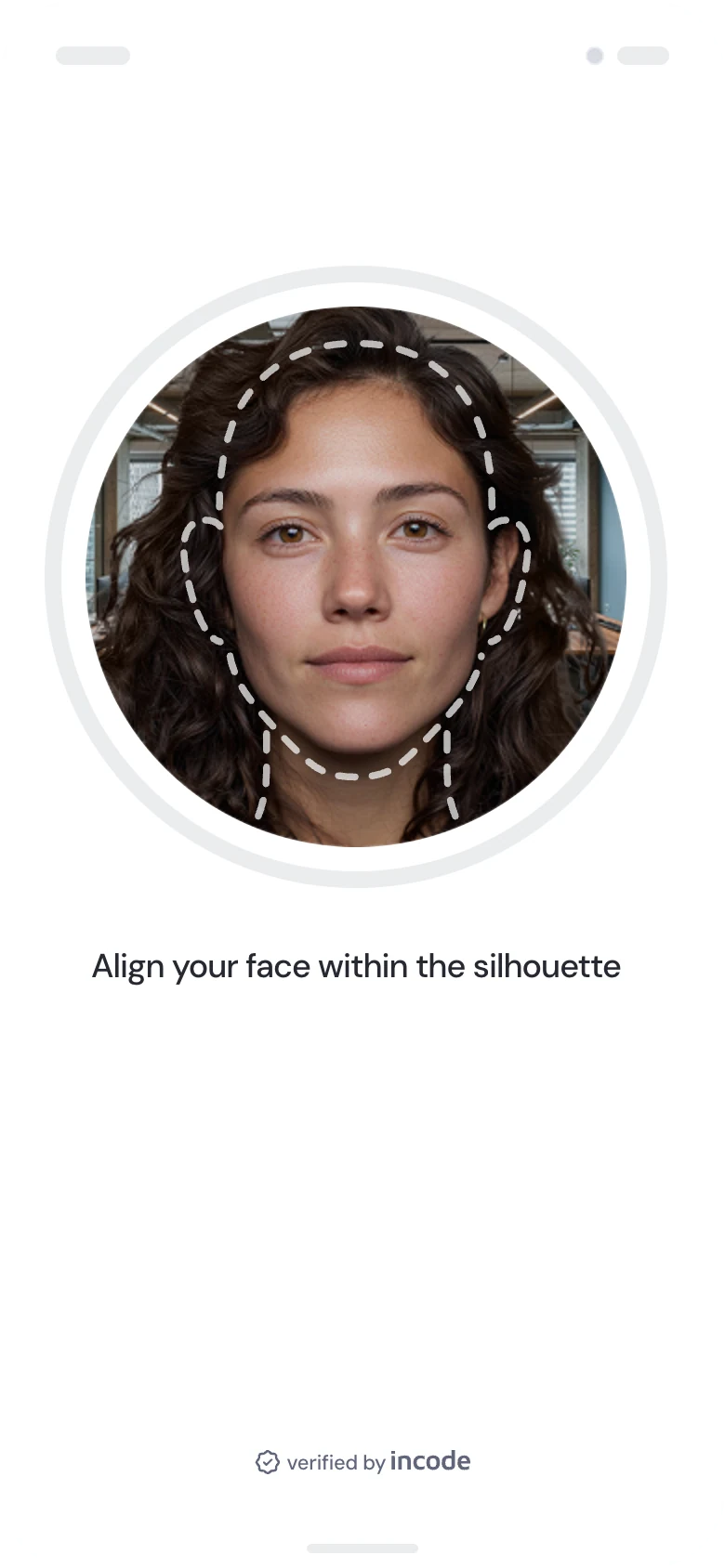

Mobile app sign-in
Returning customers open the app and sign in with a glance, no password to remember.
 Highlights
 Introducing TrustGraph
The first trust network built for the agentic era
Read more
Introducing TrustGraph
The first trust network built for the agentic era
Read more
 Age Center
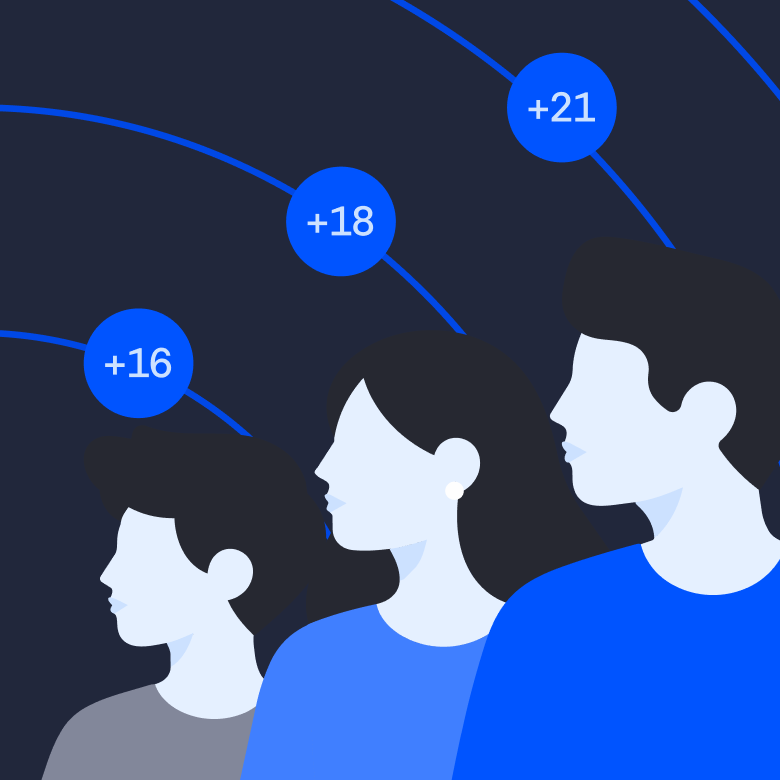
Understand Incode’s approach to age assurance
Explore the Center
Age Center
Understand Incode’s approach to age assurance
Explore the Center
 Introducing GovFaceMatch
The first identity solution to match biometrics against DMV records
Read more
Introducing GovFaceMatch
The first identity solution to match biometrics against DMV records
Read more
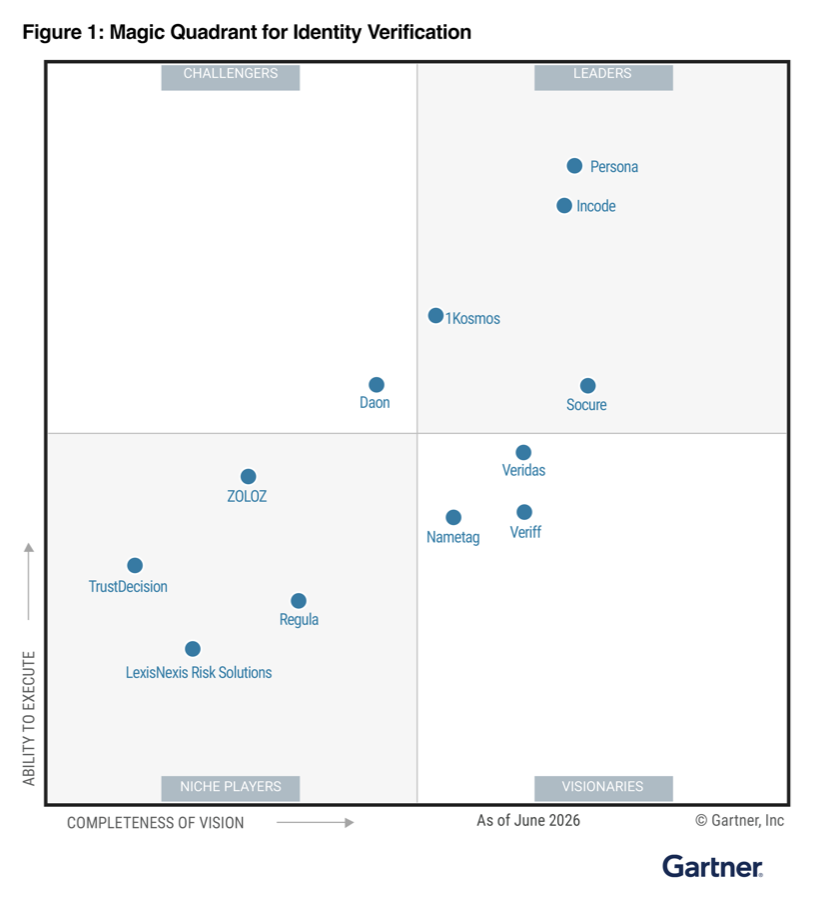
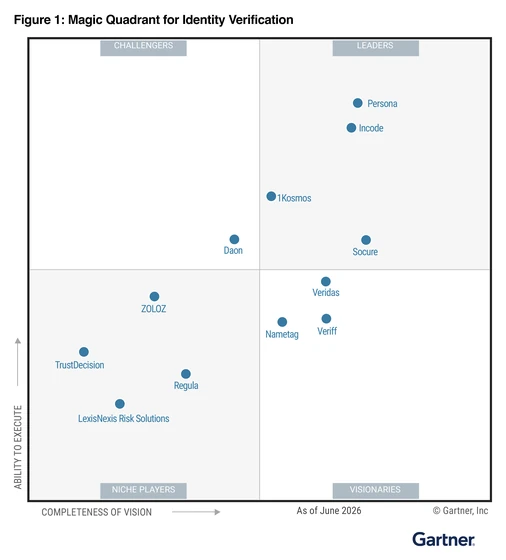 3 years in a row named a Leader
A Leader in the 2026 Gartner® Magic Quadrant™ for Identity Verification
Download the report
3 years in a row named a Leader
A Leader in the 2026 Gartner® Magic Quadrant™ for Identity Verification
Download the report
Passwords get phished and codes get intercepted. Returning customers sign in with a glance, matched to the identity verified at onboarding.
identity checks processed
to match a returning face
deepfake and injection accuracy
The problem
Credentials leak, one-time codes get intercepted, and generative AI now impersonates real faces on demand. Every login that trusts a secret is a login a criminal can pass.
of US organizations rank account takeover among their top business threats
Experian
growth in fintech deepfake incidents in a single year
Deloitte, 2024
human accuracy spotting deepfakes, barely better than chance
Cooke et al., 2024
to generate a convincing deepfake with free AI tools
MIT Technology Review, 2023
How it works
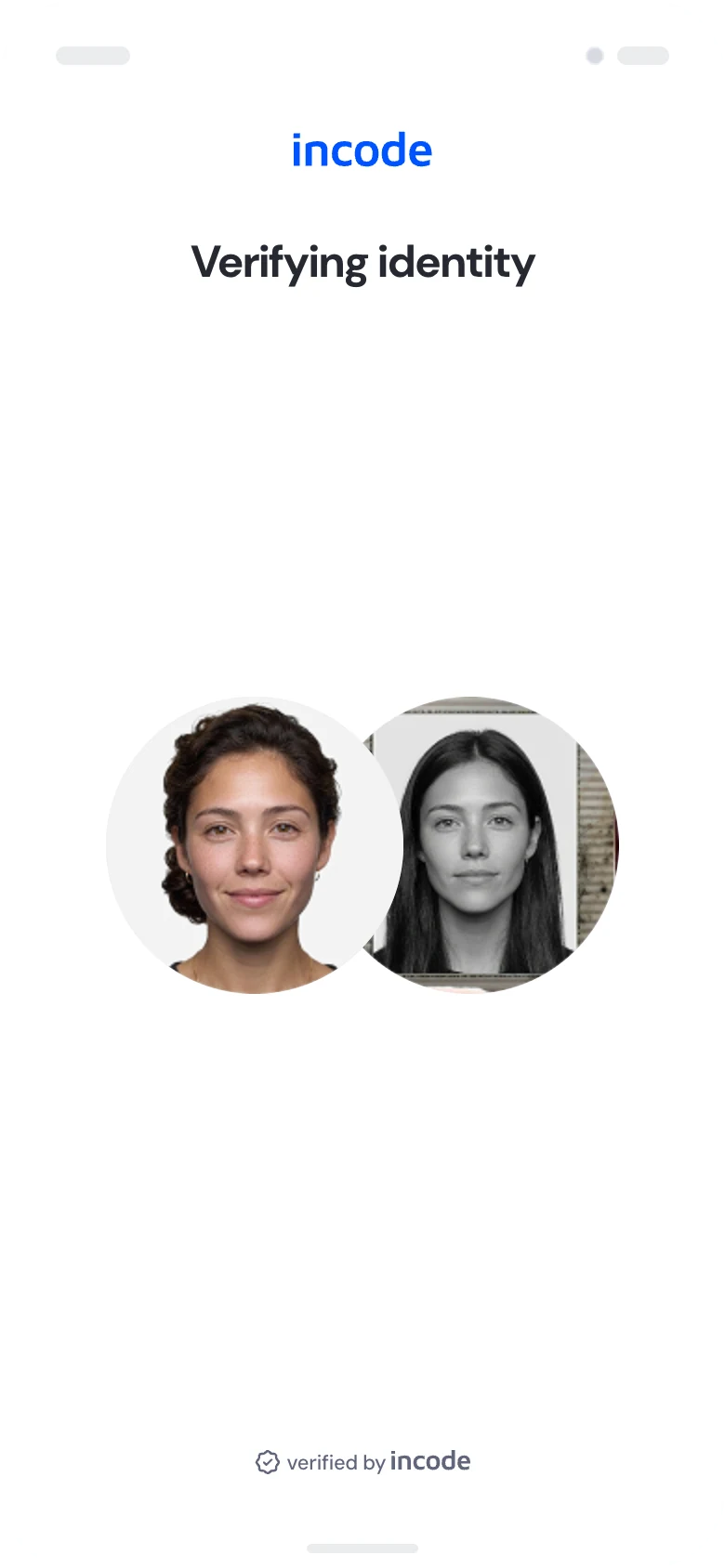
The face verified at onboarding becomes the credential for every session after it. End to end in seconds, on app, web, and call center.
Use cases
Returning customers open the app and sign in with a glance, no password to remember.
The same face login runs in the browser, with no app install required.
A selfie confirms the caller in seconds, replacing knowledge questions.
Locked-out users recover access with their face, not an emailed reset link.
FAQ
The questions buyers ask most about Authentication, answered straight.
Still have questions? Talk to an expertSigning in with a selfie instead of a password or one-time code. The capture is matched 1:1 against the identity verified at onboarding, with passive liveness confirming a real person is present.
Passwords and codes authenticate a secret or a phone number, and both are stolen at scale. A face login authenticates the person, matched against the enrollment created when the account was opened.
No. The face verified at onboarding is the credential. Every later login reuses it, with no re-enrollment and nothing new to remember.
Every sign-in runs the same Deepsight deepfake, injection, and device-tampering detection as onboarding, alongside iBeta-certified passive liveness, so synthetic media fails where a stolen password would have passed.
iOS, Android, and Web SDKs cover the app and the browser, and call-center flows confirm a caller with a selfie instead of knowledge questions. One enrollment works across all of them.
From the blog

See how TrustGraph uses secure multi-party computation to flag repeat fraud across institutions, with customer data staying where it lives.
Read the post
TrustGraph is the first biometric-anchored, privacy-preserving trust network built for the agentic era, enabling financial institutions, marketplaces, and AI companies to detect repeat fraud and agentic fraud.
Read the post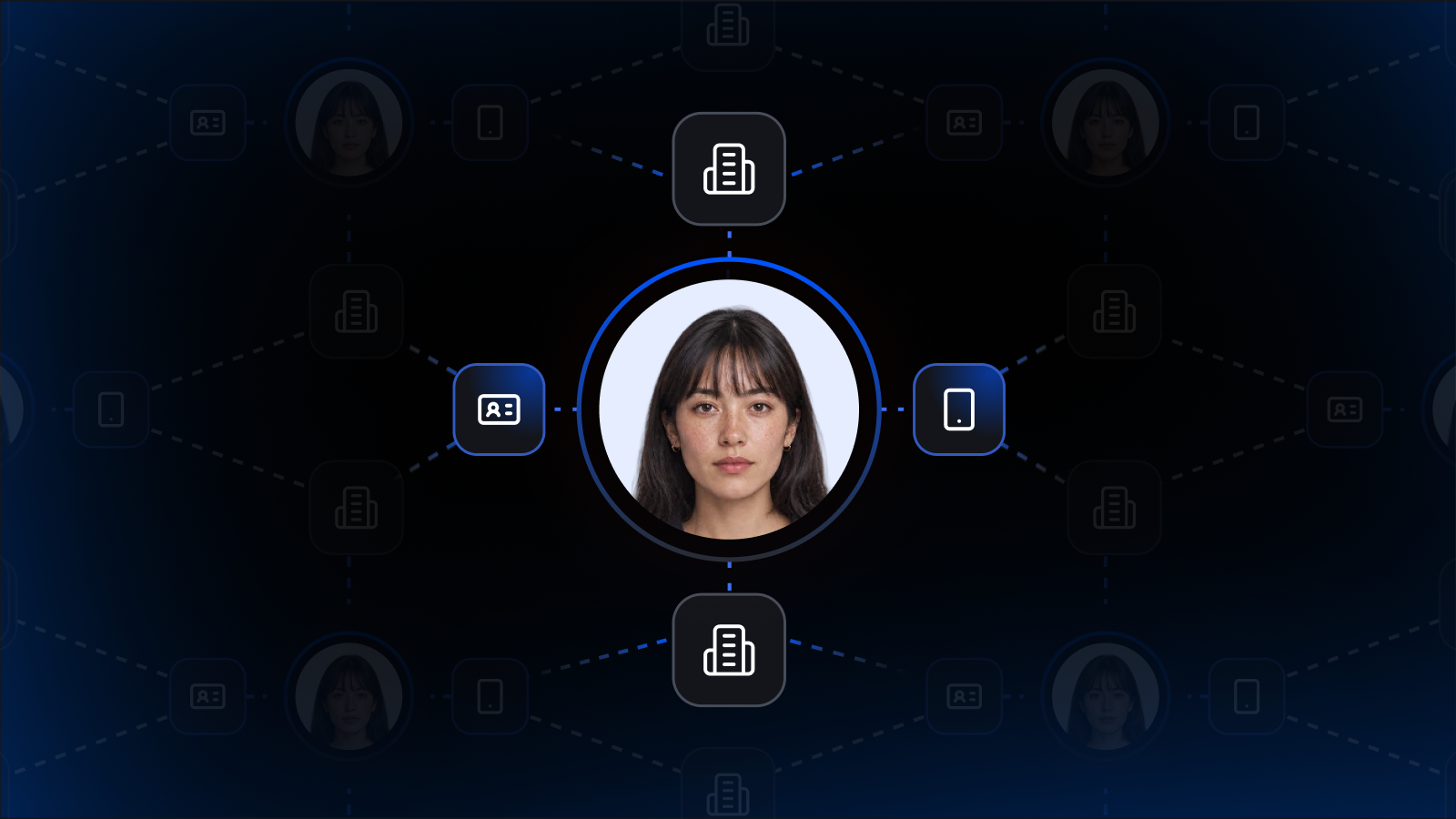
TrustGraph is a privacy-preserving trust network for repeat fraud detection. In early access, institutions detected up to 53% more fraud.
Read the post