Fragmentation
Every wallet and scheme speaks its own protocol on its own update cycle. Building them one by one is a roadmap nobody wants.
 Highlights
 Introducing TrustGraph
The first trust network built for the agentic era
Read more
Introducing TrustGraph
The first trust network built for the agentic era
Read more
 Age Center
Understand Incode’s approach to age assurance
Explore the Center
Age Center
Understand Incode’s approach to age assurance
Explore the Center
 Introducing GovFaceMatch
The first identity solution to match biometrics against DMV records
Read more
Introducing GovFaceMatch
The first identity solution to match biometrics against DMV records
Read more
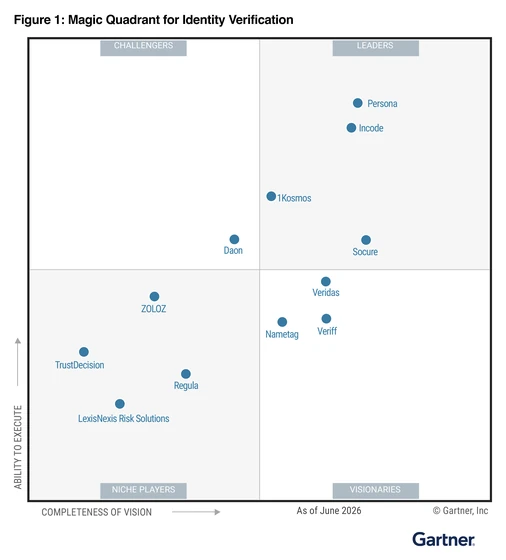 3 years in a row named a Leader
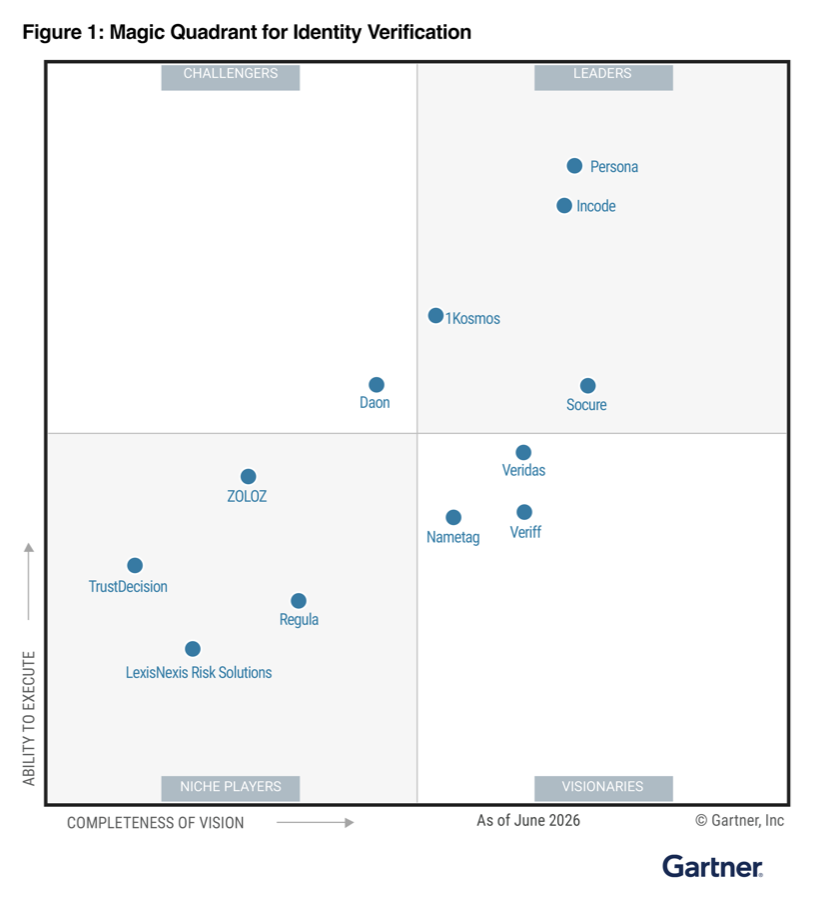
A Leader in the 2026 Gartner® Magic Quadrant™ for Identity Verification
Download the report
3 years in a row named a Leader
A Leader in the 2026 Gartner® Magic Quadrant™ for Identity Verification
Download the report
The shift
Identity is moving into the wallet faster than most flows can keep up.
That leaves two ways to lose: turn real credentials away, or wave fake ones through.
Every wallet and scheme speaks its own protocol on its own update cycle. Building them one by one is a roadmap nobody wants.
Screenshots and forged PDFs pose as real digital IDs. A picture of a wallet card, on its own, proves nothing.
Reject digital IDs outright and you add friction, lose conversions, and increasingly fall out of compliance with new mandates.
countries adopting or rolling out digital ID systems
people already enrolled across 100+ national and regional programs
How it works
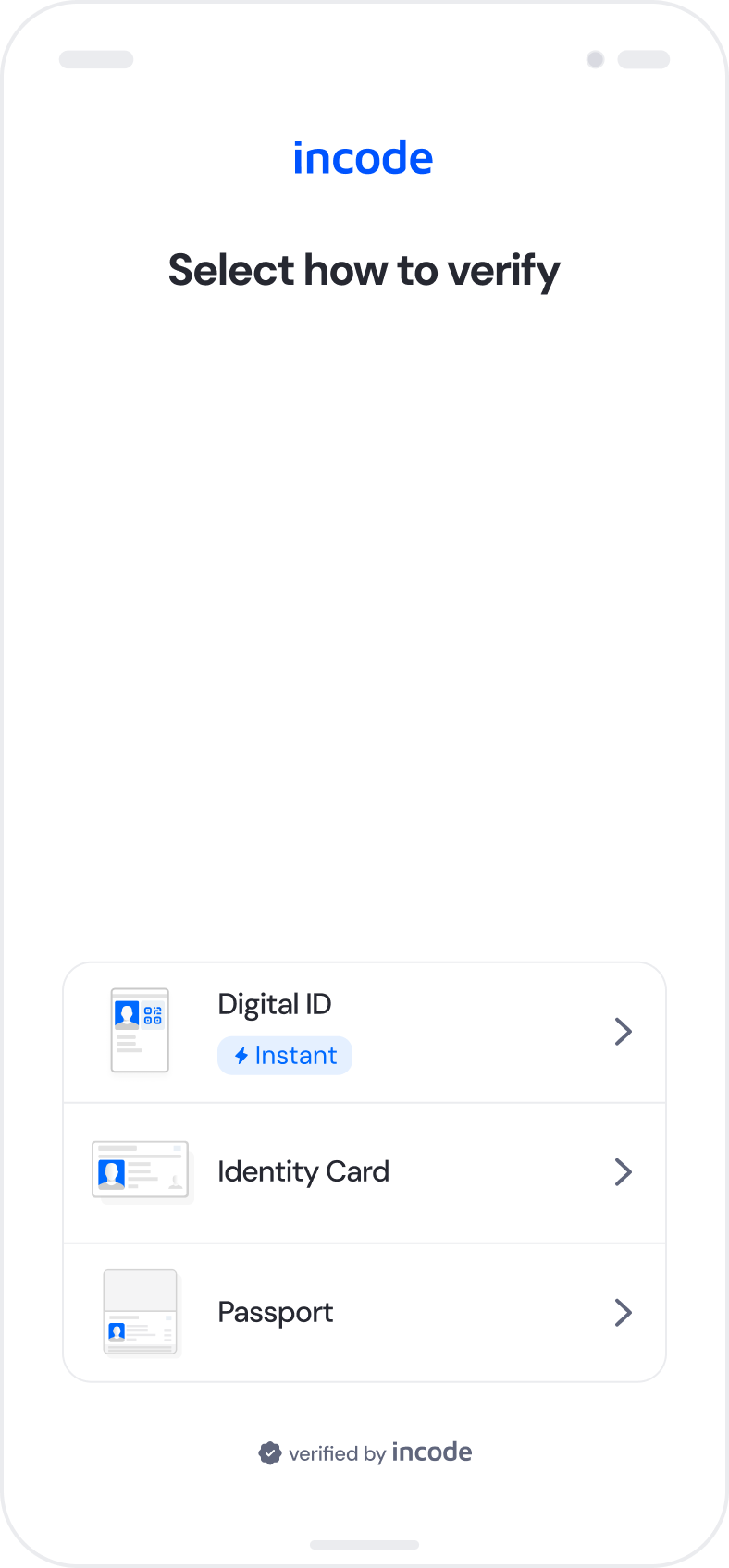
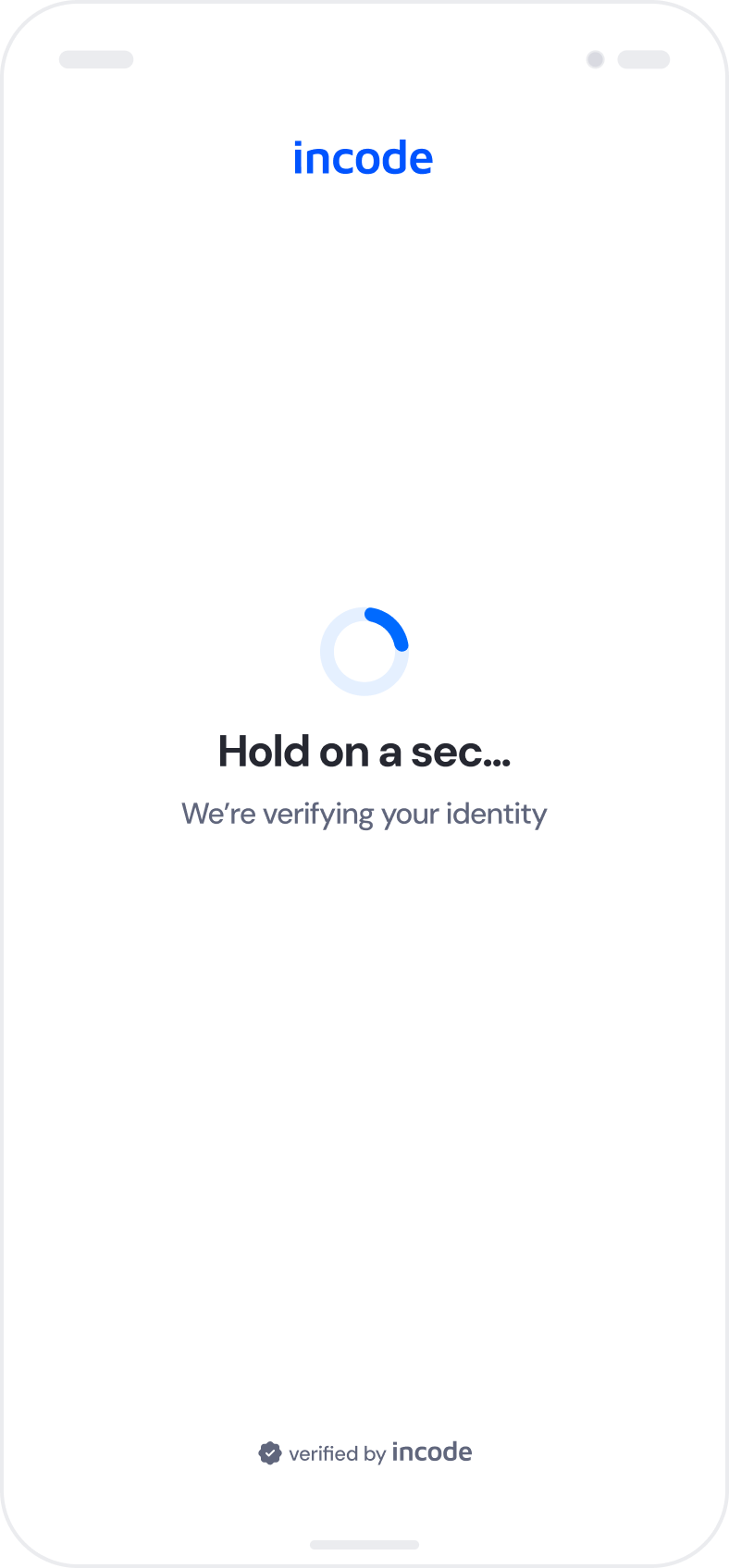
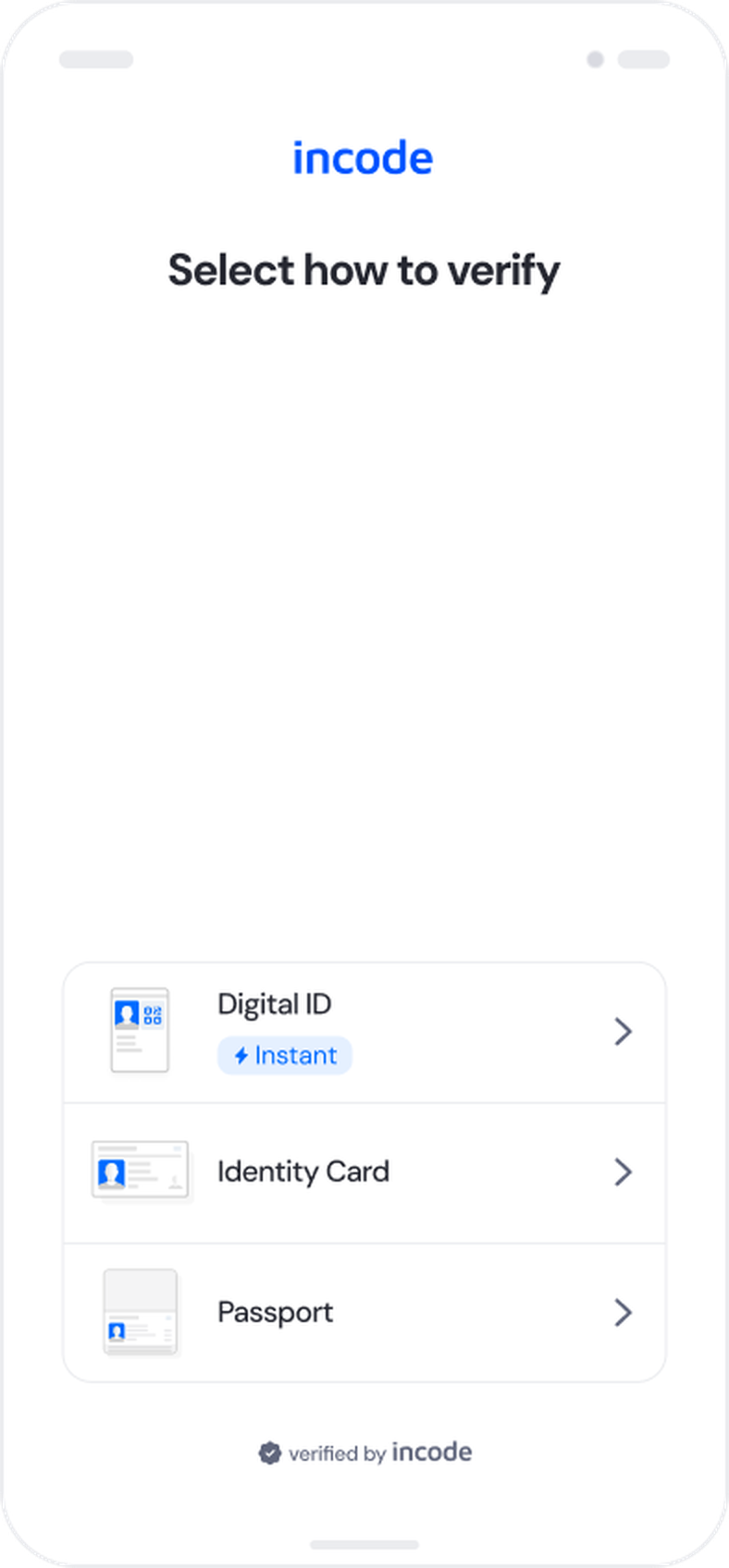
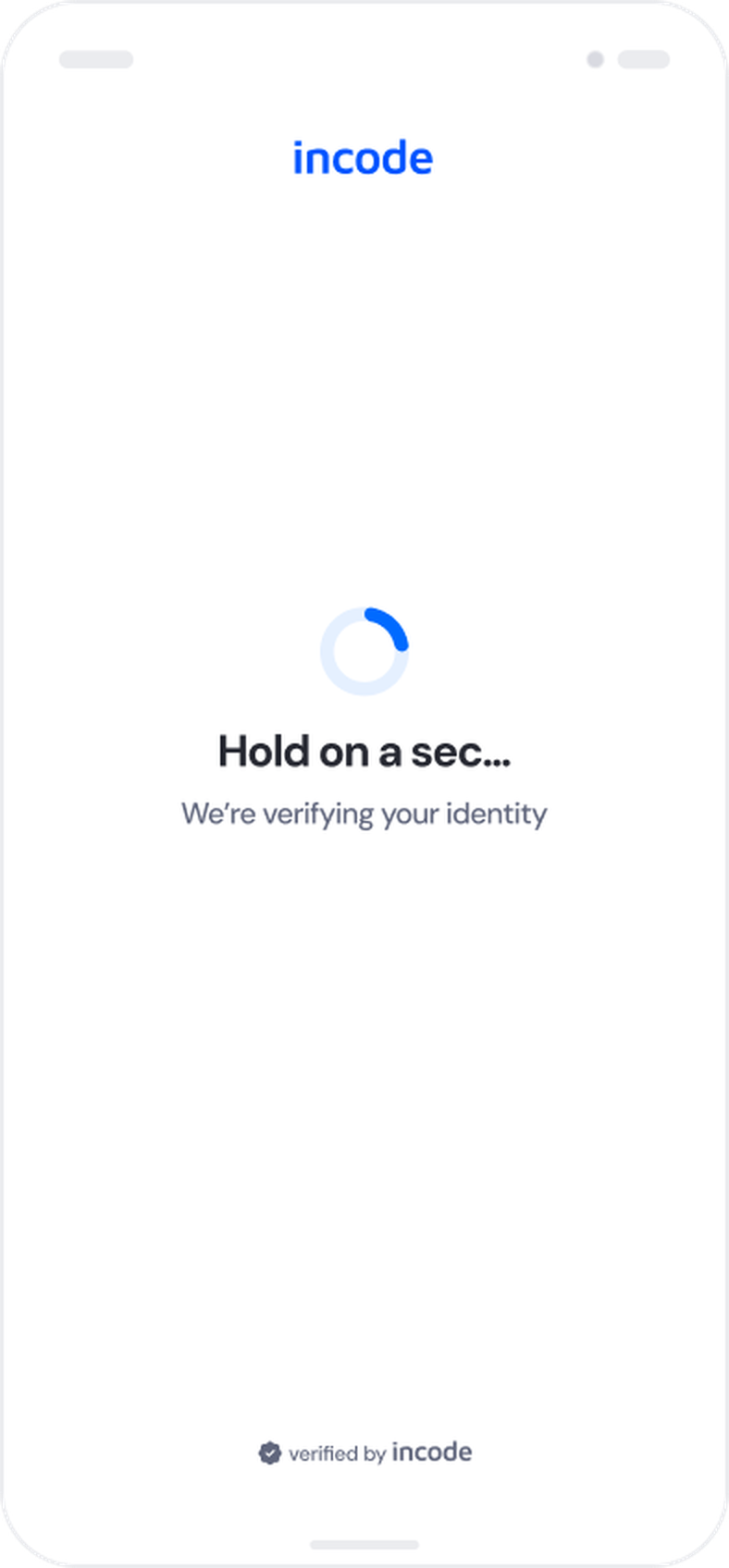
A digital ID runs through the same battery as a physical one: detected, decrypted, and cryptographically proven to belong to a real, present person.
Selective disclosure
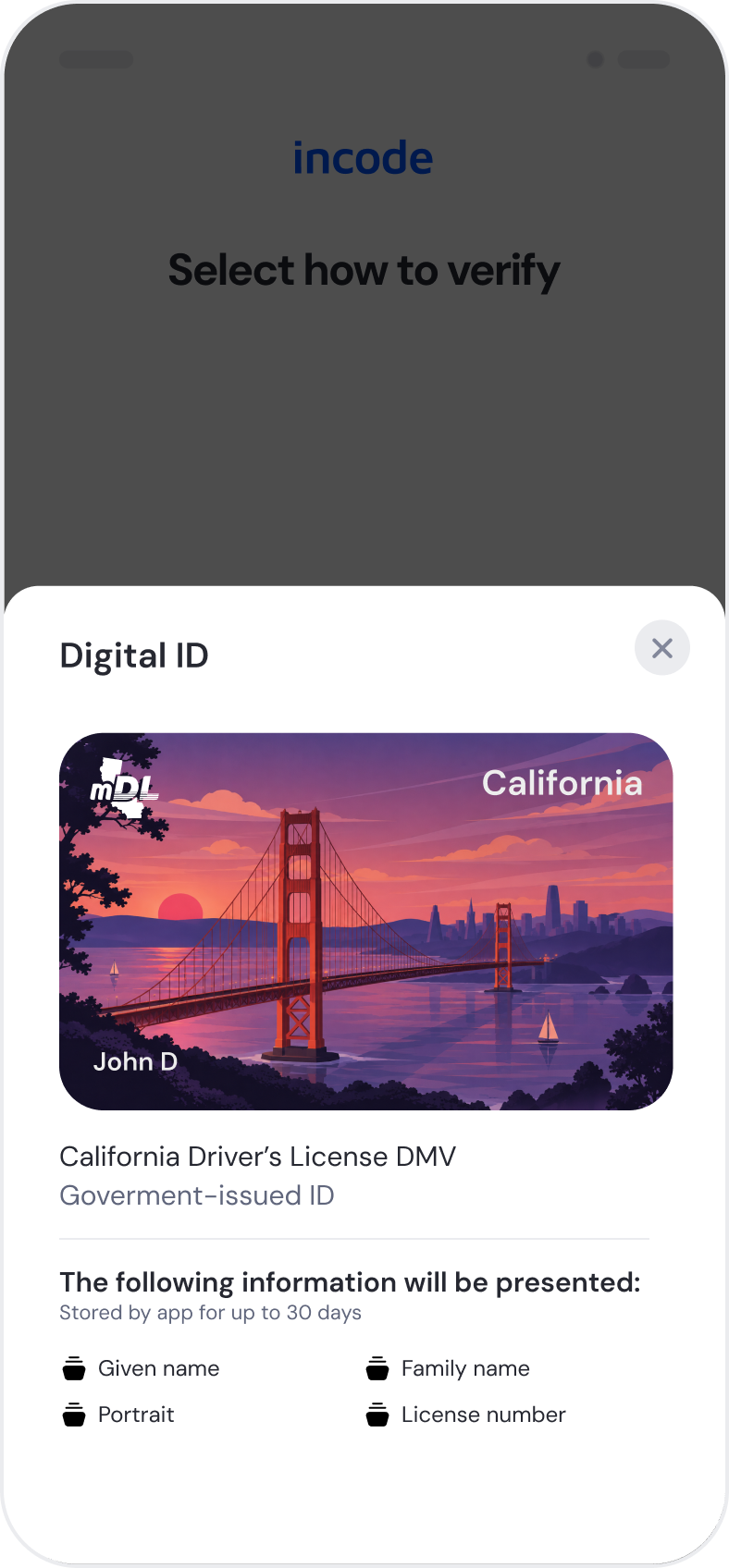
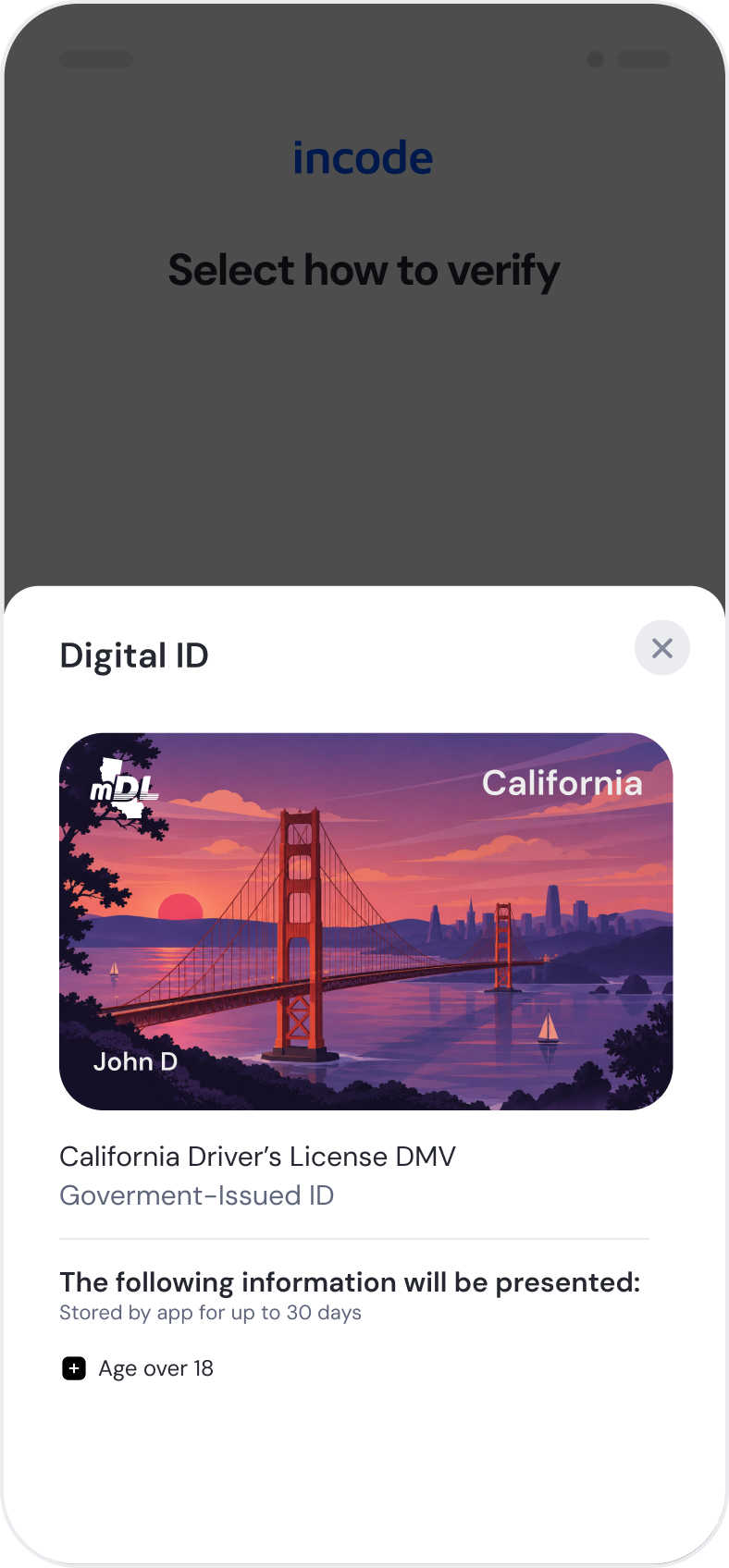
A wallet shares only the claim you ask for and keeps the rest sealed. And every share is cryptographically signed, so Incode can prove it is genuine.
Coverage
Wallets, government apps, chips, and PDFs: Incode reads them all and hands your flow one clean, standardized identity.
Accept mobile driver's licenses from Apple, Google, and Samsung Wallet, in native share sheets.
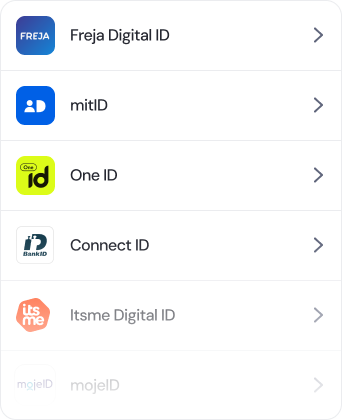
Verify national eIDs like BankID, MitID, Singpass, DigiLocker, and the EU's EUDI Wallet.
Handle PDF IDs like Brazil's CNH Digital and the Philippines' ePhilID, read, not just uploaded.
Share only the fields you need (age over 21, not a full date of birth) so users convert.
The payoff
Meeting users where their ID already lives removes the slowest step in onboarding.
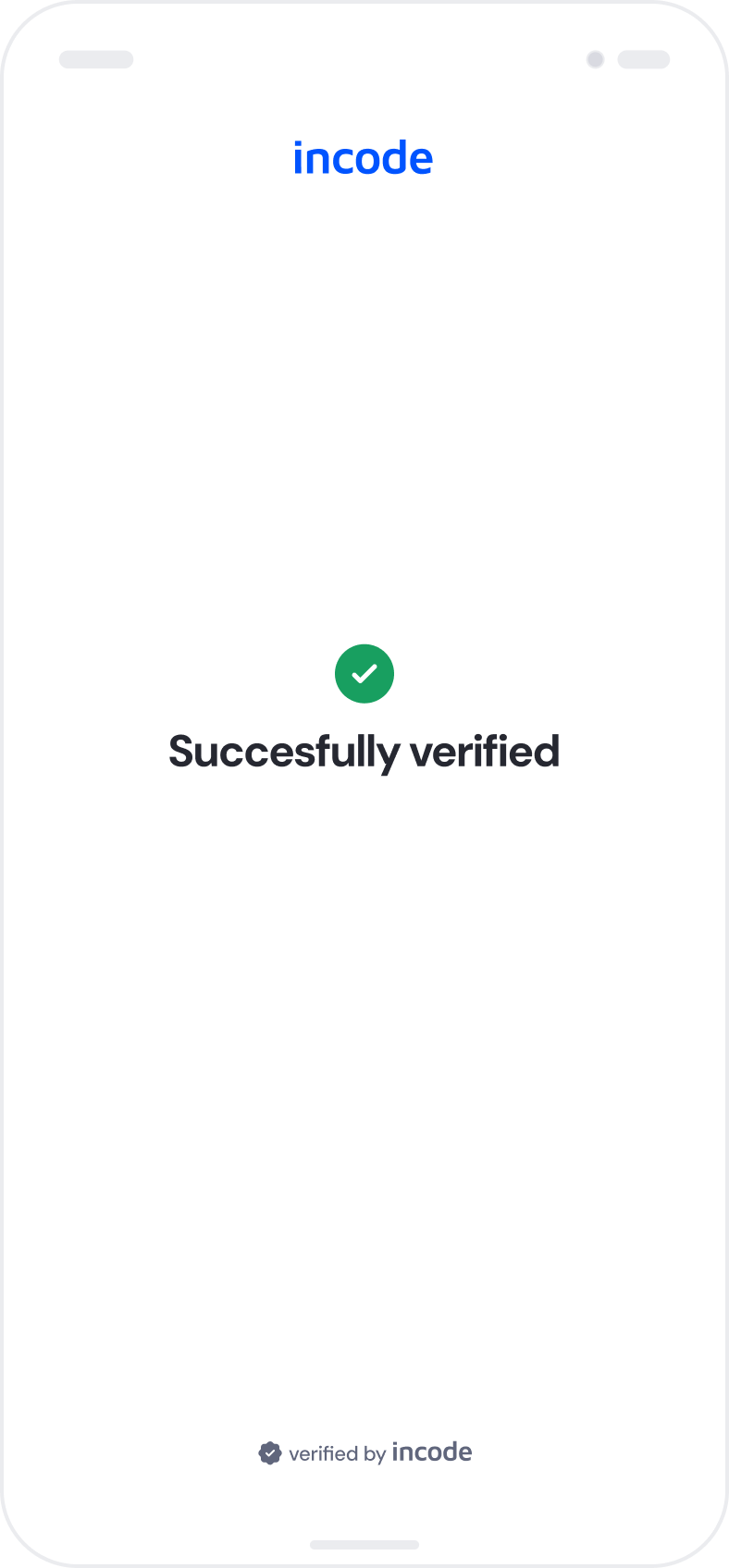
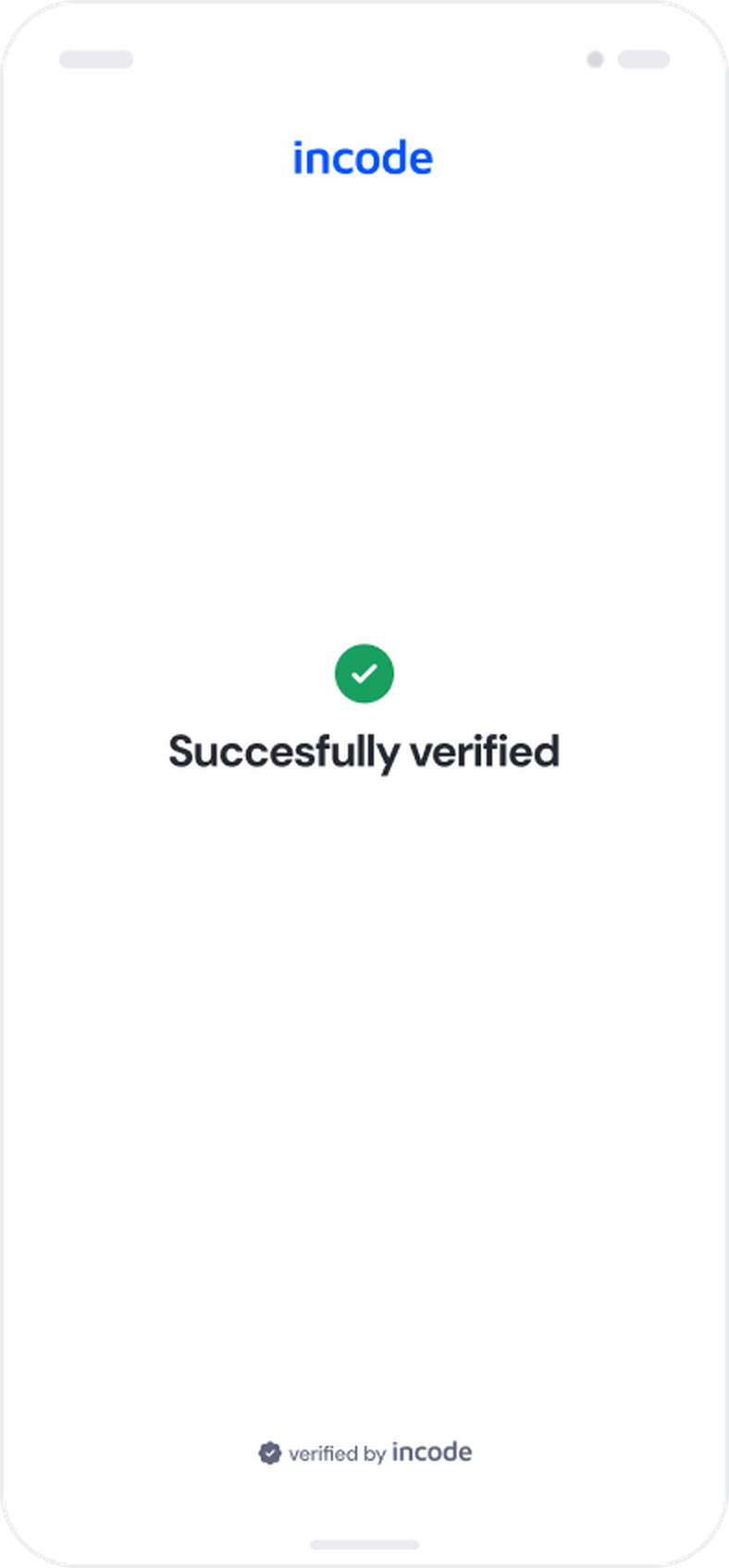
A cryptographic credential needs no photo, no upload, and no retry, so 98% of users clear on the first try when a digital ID stands in for the plastic card.
faster verification when a customer presents a digital ID instead of scanning a physical card
Global coverage
Tell Incode which credentials to accept. New wallets, national eIDs,
and mDL schemes are added as governments launch them.
national wallets and IDs
countries adopting digital ID

 Canada
 United States
 Mexico
 Colombia
 Peru
Peru
 Brazil
 Chile
Chile
 Argentina
 United Kingdom
 Spain
Spain
 France
 Germany
 Italy
Italy
 Denmark
Sweden
Denmark
Sweden
 Nigeria
 South Africa
 India
India
 Singapore
 Philippines
 Japan
Japan
 Australia
Verified proof







98%
of users verify on the first try.
8 of 10
top U.S. banks choose Incode
4 of 5
top LATAM banks run on Incode
30+
digital ID schemes verified
Digital ID verification confirms identity from a government-backed digital credential, a mobile driver's license, ePassport, or national eID app, by decrypting and validating its cryptographic signature against the issuer, instead of photographing a physical card.
30+ government-backed schemes: mobile driver's licenses in Apple, Google, and Samsung Wallet; national eIDs such as BankID, MitID, Singpass, and DigiLocker; the EU's EUDI Wallet as it rolls out; ePassports; and PDF-based IDs like Brazil's CNH Digital and the Philippines' ePhilID.
ISO 18013-5 is the international standard for mobile driver's licenses, defining how an mDL is stored, encrypted, and shared in person, so a verifier can confirm the credential is authentic and untampered. Its companion, ISO 18013-7, extends the same trust to online and remote checks.
A physical-ID flow captures and validates a document plus a selfie. Digital ID verification reads a cryptographically signed credential straight from a wallet or app: faster for the user, harder to forge, and increasingly mandated. Incode runs both in one flow, with automatic fallback.
The flow falls back automatically to document and biometric verification. Users without a supported credential complete the same journey through a different door, so no session is lost to a missing wallet.
What's next
See how one integration verifies 30+ digital ID schemes, with fallback built in.