Synthetic faces
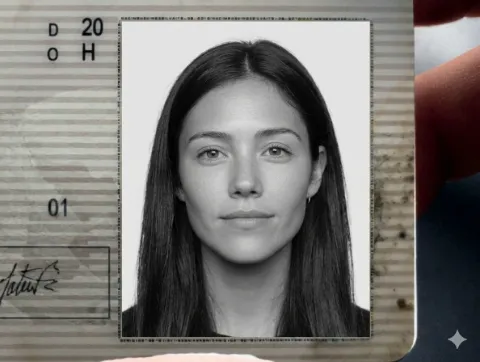
Face swaps, morphs, and fully synthetic identities from a single image or prompt.
 Highlights
 Age Center
Understand Incode’s approach to age assurance
Explore the Center
Age Center
Understand Incode’s approach to age assurance
Explore the Center
 Digital ID Verification
Accept US mobile driver's licenses from every wallet
Read more
Digital ID Verification
Accept US mobile driver's licenses from every wallet
Read more
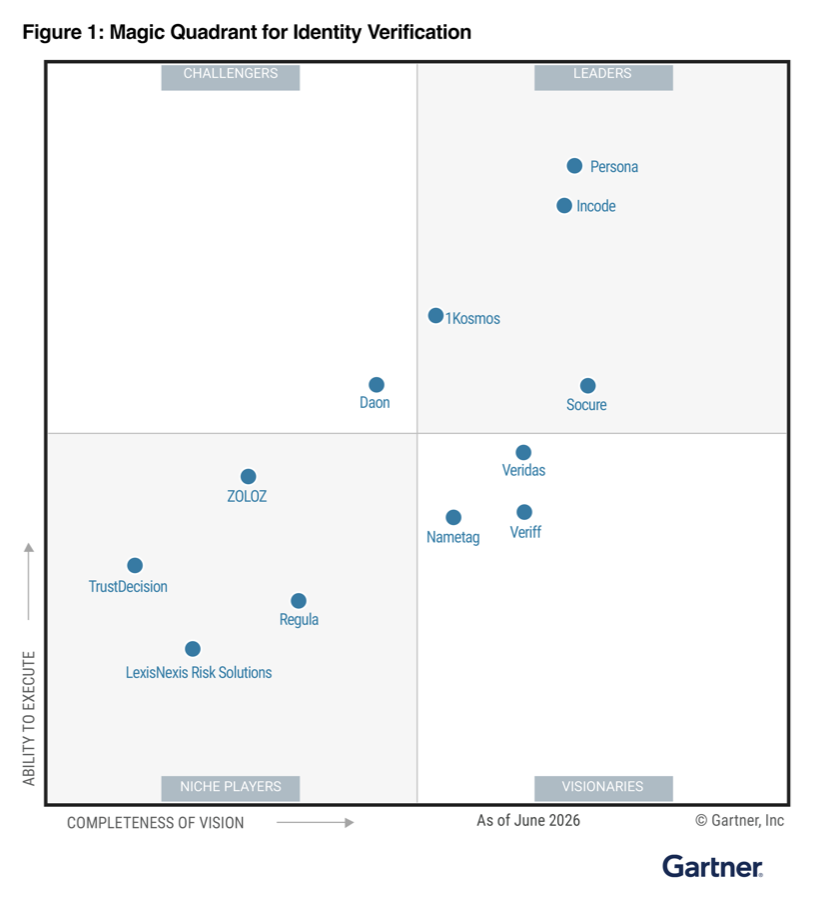
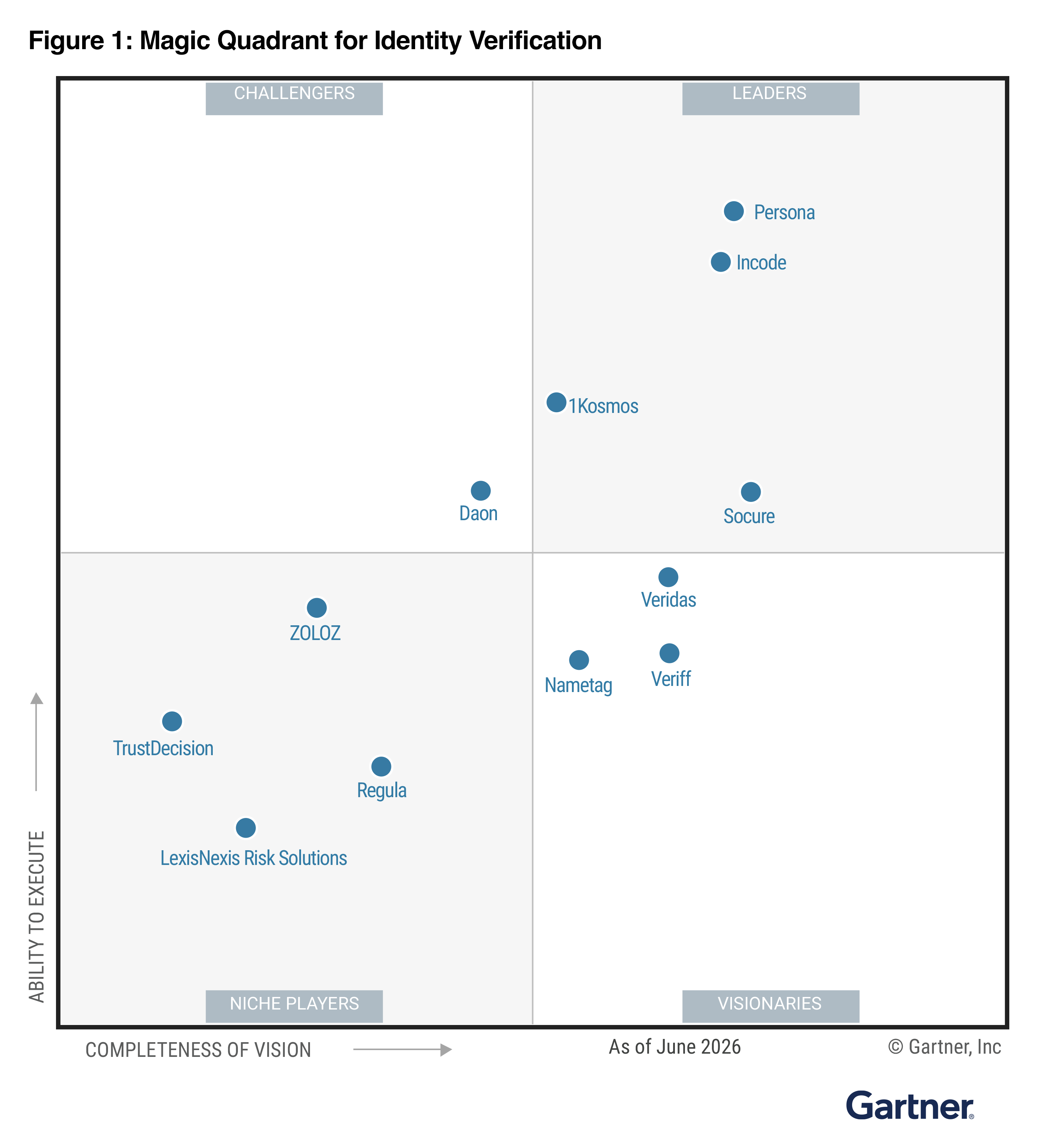 3 years in a row named a Leader
A Leader in the 2026 Gartner® Magic Quadrant™ for Identity Verification
Download the report
3 years in a row named a Leader
A Leader in the 2026 Gartner® Magic Quadrant™ for Identity Verification
Download the report
 Validated under real-world attack scenarios
First to achieve iBeta Level 3 on iOS and Android
Learn more
Validated under real-world attack scenarios
First to achieve iBeta Level 3 on iOS and Android
Learn more
 Introducing GovFaceMatch
The first identity solution to match biometrics against DMV records
Read more
Introducing GovFaceMatch
The first identity solution to match biometrics against DMV records
Read more
What is a deepfake
A deepfake is a face generated or swapped by AI. The best ones fool people: humans catch them barely better than a coin flip. But the model leaves signals behind.
Synthetic · the signals give it away
Signals Deepsight reads in real time, the ones a reviewer can't.
The attack
Generative AI made fakes cheap and convincing: a believable one takes 35 seconds and a sub-$20 tool. Injection attacks skip the lens entirely, beating picture-only liveness.
Face swaps, morphs, and fully synthetic identities from a single image or prompt.
Prerecorded or AI-generated video piped into the flow through a virtual camera.
Printed photos, screen replays, and 2D or 3D masks held up to a real camera.
growth in fintech deepfake incidents in a single year
Deloitte, 2024human accuracy spotting deepfakes, barely better than a coin flip
Cooke et al., 2024How it works
Deepsight checks every session across four trust layers at once, behavior, device, camera, and perception, then fuses them into a single score, in real time and invisible to the user.
Where it matters
Fraudsters aim deepfakes at the moments that matter most. Deepsight runs invisibly inside each: a real customer sails through, a synthetic one is stopped.
Fraudsters submit deepfake selfies and injected video to open accounts at scale.
Stolen IDs and prerecorded video slip past step-up checks to take over accounts.
Manipulated faces and real-time swaps fool support agents on video calls.
Scripted sessions on emulated devices flood verification, mimicking real users.
Remote candidates use stand-in faces and deepfakes to pass hiring checks.
Verified proof







68×
better false-positive rate than the next-best commercial deepfake detector.
8 of 10
top U.S. banks choose Incode
4 of 5
top LATAM banks run on Incode
24
detection systems benchmarked by Purdue
Deepfake detection identifies AI-generated or manipulated media, synthetic faces, face swaps, morphs, and injected video, used to impersonate a real person. Incode analyzes biometric and visual signals in real time to confirm the person on camera is genuinely live and present.
Incode runs Deepsight, a multi-layer engine. It blocks device emulators and virtual cameras before capture, validates the camera source against injection, and uses multi-modal AI plus a vision-language model to read the artifacts generative AI leaves behind, all fused into a single score in milliseconds.
A video injection attack routes a prerecorded or AI-generated feed into a verification flow through a virtual camera driver, bypassing liveness checks that only analyze the picture. Incode detects injection at the signal level, not just the visual level, and blocks virtual cameras before capture begins.
Liveness confirms a real, physically present person rather than a photo or replay. But modern deepfakes and injection attacks can fool liveness that only inspects the image. Deepsight adds device, camera, and behavioral integrity on top of perception, closing the gaps a liveness check alone leaves open.
Benchmarked by Purdue University against the most widely used commercial detectors, Incode achieved the highest accuracy and the lowest false-acceptance rate. In production it delivers a 68× better false-positive rate than the next-best commercial technology, operating in milliseconds.
What's next
See how Deepsight confirms a real, live person and blocks injection, spoofs, and synthetic media in real time.