
Telco
Secure the subscriber journey at full speed
Incode stops SIM-swap and subscription fraud, keeps you compliant, and activates legitimate subscribers without friction. Every identity clears independent layers of defense.
We secure identities across telco worldwide
AI identity verification and SIM-swap protection, proven where fraud pressure is highest.




What carriers are up against
A new era of fraud for carriers
A phone number is the gateway to a subscriber's bank, email, and every SMS code that guards them. Global telecom fraud runs about $39 billion a year (CFCA, 2023).
SIM swap and port-out
A SIM swap hands an attacker the victim's number and every SMS code that flows to it. UK SIM swaps rose 1,055% in 2024 (Cifas).
Subscription and synthetic fraud
Stolen and synthetic identities open accounts, take financed devices, and never pay. Remote and eSIM activation removes the face-to-face check.
Account takeover
Logins, PIN resets, and help-desk recoveries run on credentials that phish and leak. Identity is never re-proven at the reset moment.
Deepfakes defeat the fallback
When the fallback is a video call and an ID photo, a real-time face swap or an injected document beats it outright.
Incode solutions
Built for telco
Coverage across the full subscriber lifecycle, from the first activation to every SIM swap, port-out, and recovery that follows.
Identity verification
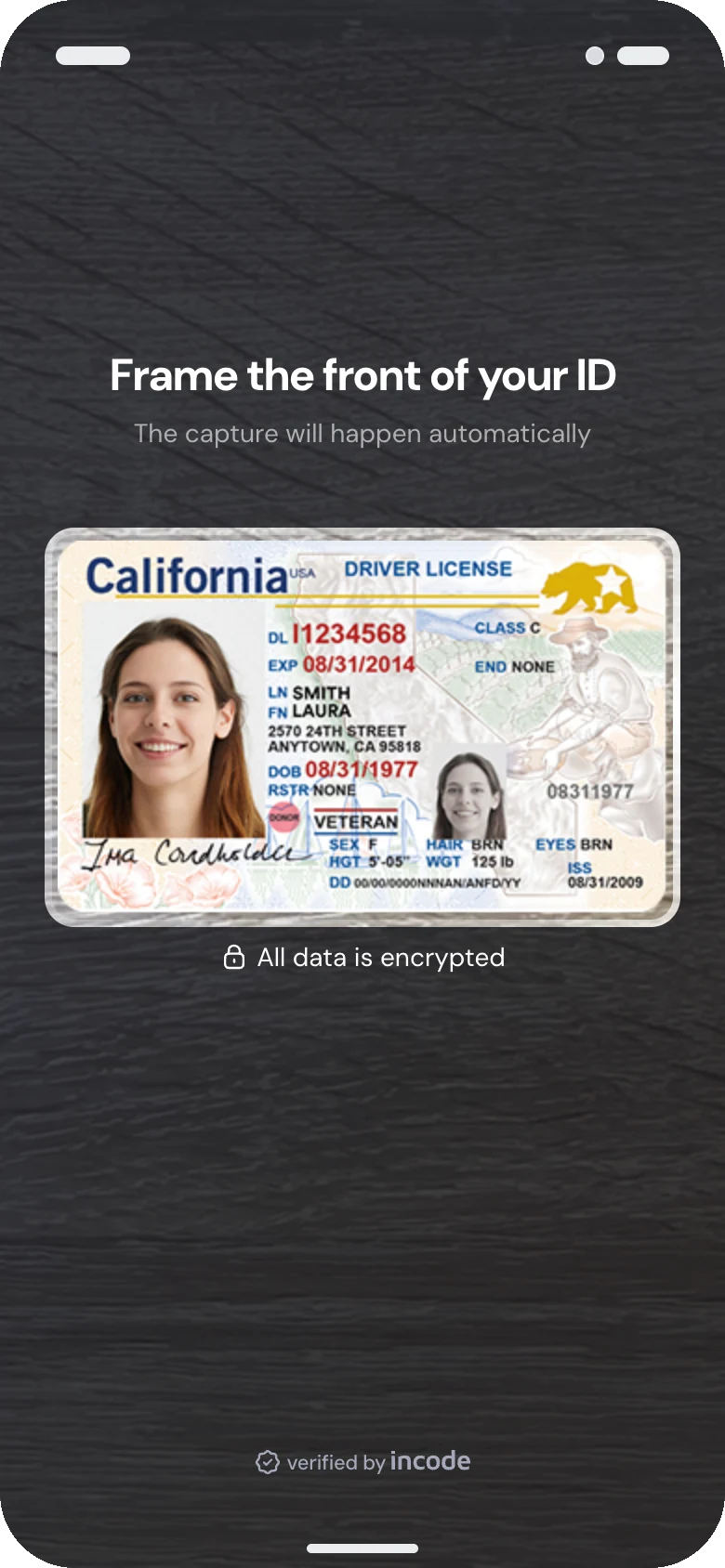
Document, biometric, and liveness checks that activate real subscribers in seconds and satisfy SIM registration.
Learn moreAccount takeover protection
Biometric re-proof at SIM swap, port-out, and recovery, not a PIN or SMS code the attacker controls.
Learn moreDeepfake detection
Deepsight stops deepfakes, injection attacks, and synthetic media across remote and eSIM activation.
Learn moreRepeat-fraudster screening
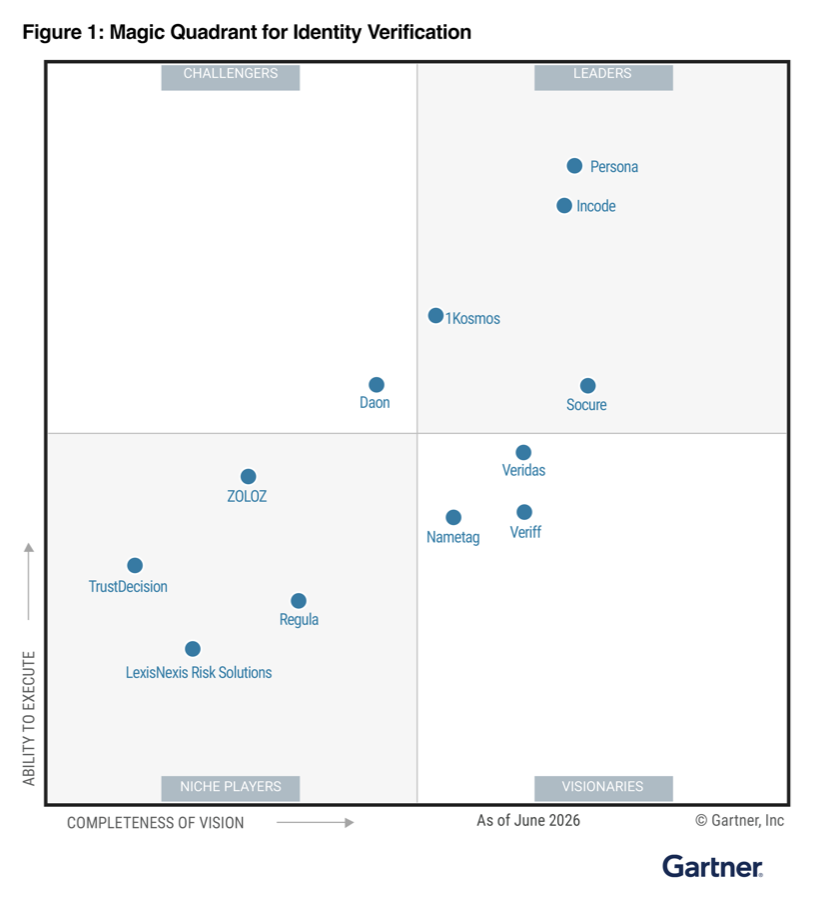
Every applicant is matched against a known-fraudster face gallery, catching repeat offenders across stores and channels.
Learn more99%
fraud reduction
40%
higher conversion rates
11x
faster onboarding
User experience
How it works
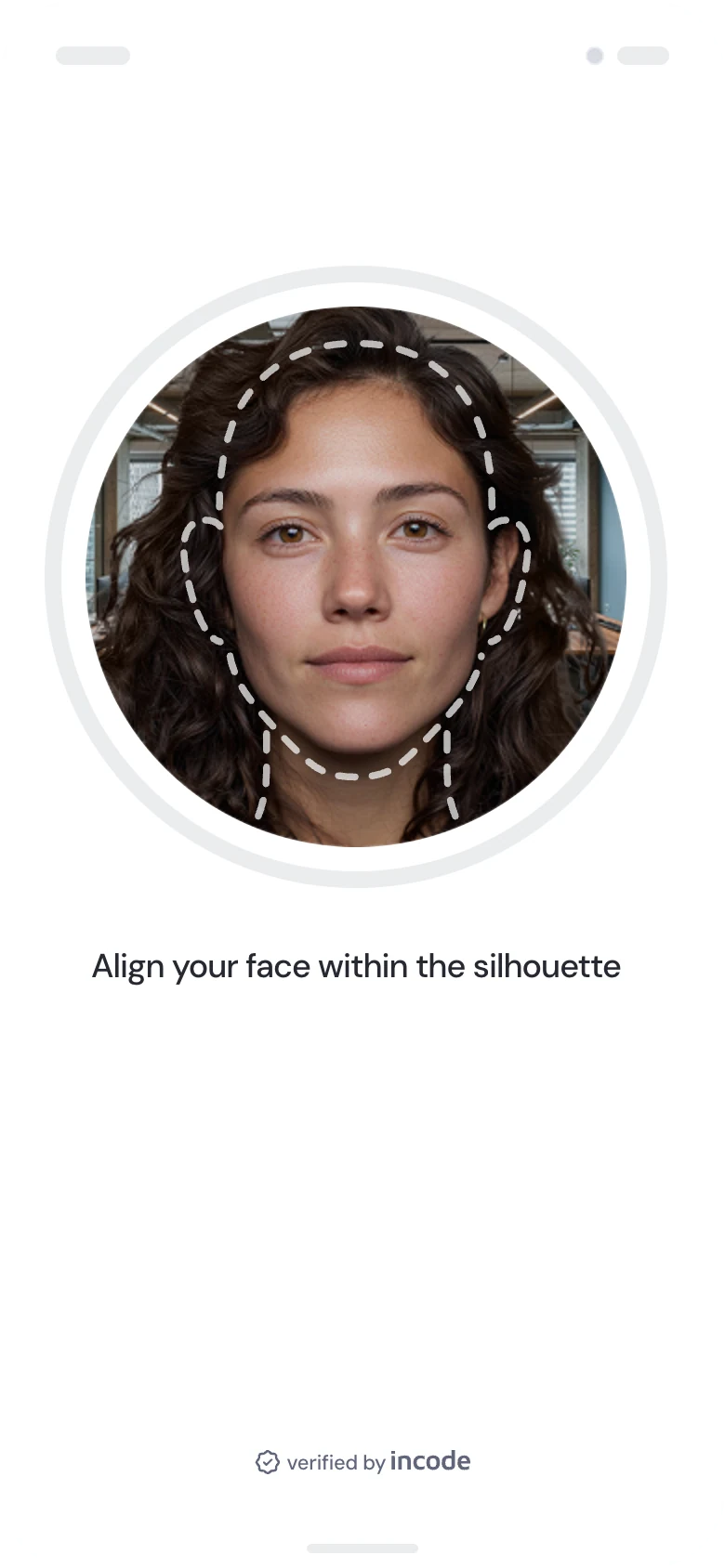
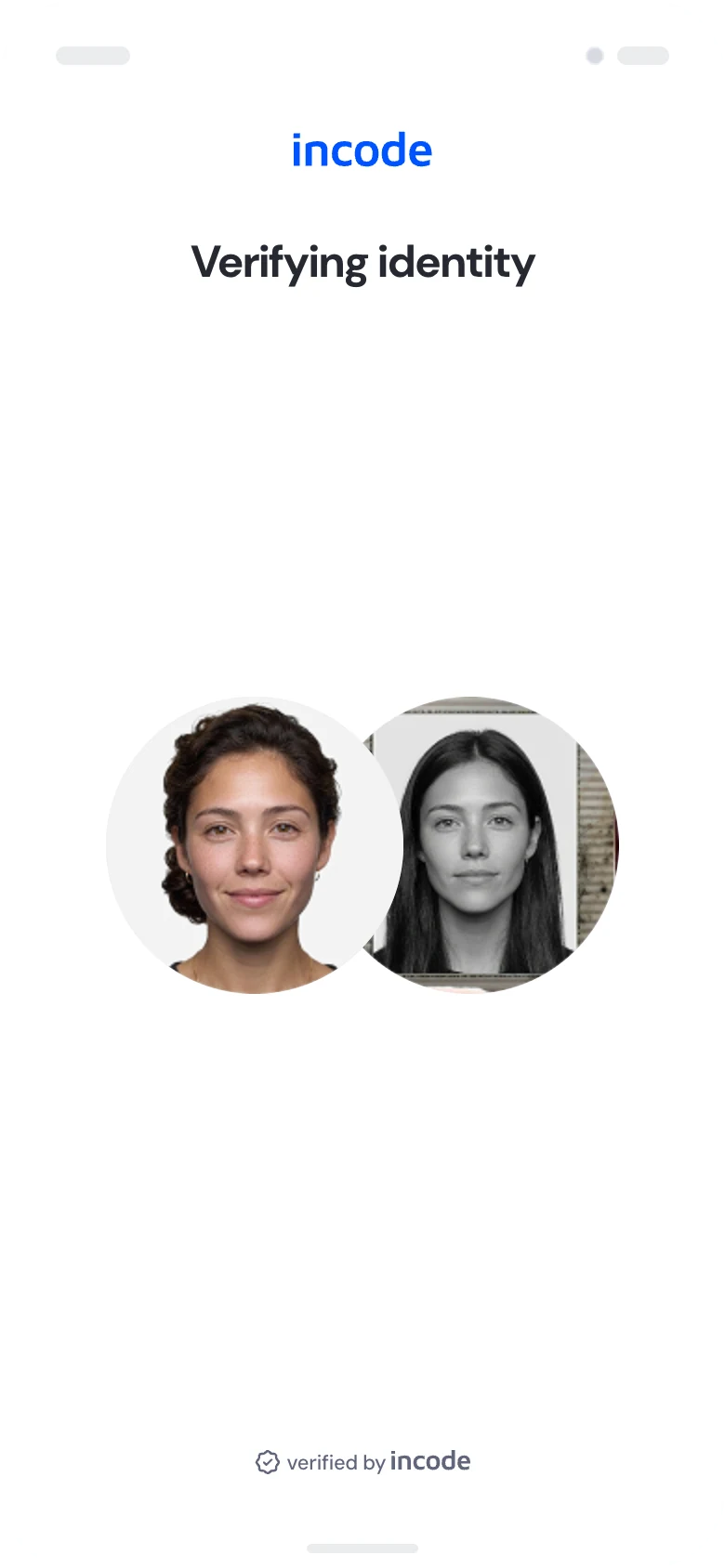
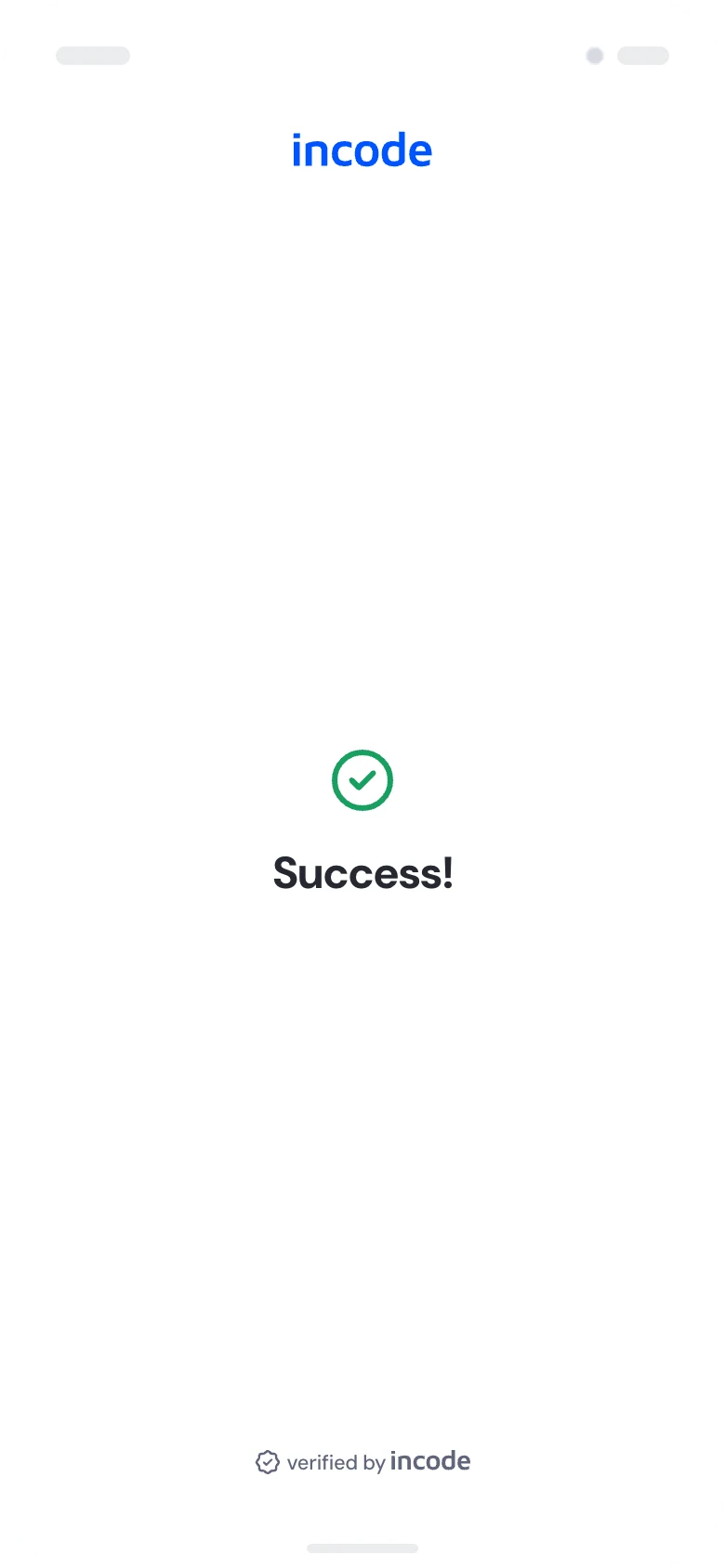
One identity for every subscriber moment, verified in real time.
Why carriers choose Incode
Independent layers of defense for every subscriber
Fraud that adapts will eventually fool any single check. Incode verifies every subscriber across independent layers, each reading a different signal, in milliseconds. Good subscribers pass without friction while fraud has to beat every layer at once.
Document verification
AI-powered detection of paper forgeries, screen spoofs, and digitally generated IDs. Mobile driver's licenses accepted.
See it in actionBiometric liveness
Liveness detection confirms a live person is present and matches the face to the document in milliseconds.
See it in actionAI-generated document detection
Deepsight for Documents catches forged, tampered, and fully synthetic IDs, fraud that template checks and barcode validation were never built to see. 8.8x more fraud caught than document checks alone.
See it in actionBiometric re-proof at the SIM swap
The account holder is re-proven before a SIM change, port-out, or eSIM re-provision. A phished PIN no longer moves the number.
See it in actionCross-network fraud signals
Our collaborative intelligence solution links identities and devices across Incode's network, catching repeat SIM swappers, financing bust-outs, and dealer-fraud rings.
See it in actionPrivacy is the architecture
We made privacy a founding conviction long before regulation or the market asked for it. Incode's AI-first identity verification reduces fraud while remaining private and compliant.
Read the ManifestoCase study
Incode verifies a real identity before a line is activated or a device is financed, and re-confirms the real subscriber before a SIM change or port-out.
A top U.S. wireless carrier · Telco · United States
Read the story

How does Incode stop SIM-swap and port-out fraud?
SIM-swap fraud moves a victim's phone number to a SIM the attacker controls, capturing every SMS code sent to it. Incode stops it by re-proving the real account holder with a biometric check at every SIM change, port-out, and eSIM re-provision, so a stolen PIN or intercepted code no longer moves the number.
Does identity verification slow down SIM activation?
No. Incode verifies subscribers with a passive, sub-second selfie and a document scan where required, in the browser with no app to install. Risk-based orchestration applies the heavier check only to high-risk activations, so conversion stays high.
How do carriers detect synthetic identity and subscription fraud?
Subscription fraud uses stolen or synthetic identities to open accounts and walk away with financed devices. Incode's document and liveness checks prove a real, live person is behind every activation, while Risk AI and collaborative cross-network intelligence flag synthetic identities, repeat fraudsters, and device-financing bust-out patterns before the device ships.
How does Incode support the FCC SIM-swap rules and CPNI compliance?
The FCC requires carriers to securely authenticate customers before SIM changes and port-outs, and CPNI rules require authentication before account data is disclosed or changed. Incode gives carriers a strong, auditable biometric check at exactly those moments, re-proving the real holder instead of accepting a knowledge-based answer.
Can a deepfake pass Incode's verification?
No. Passive liveness detection plus Deepsight block the real-time face swaps, injected camera feeds, and AI-generated documents that defeat naive face checks, in both remote and eSIM activation flows.
Does Incode replace a carrier's CIAM or login stack?
No. Incode layers on top of Auth0, Okta, Microsoft Entra, Ping, or any OIDC or API integration. Incode proves the human, while the carrier's platform keeps the session and authorization.
Resources
Resources on telco
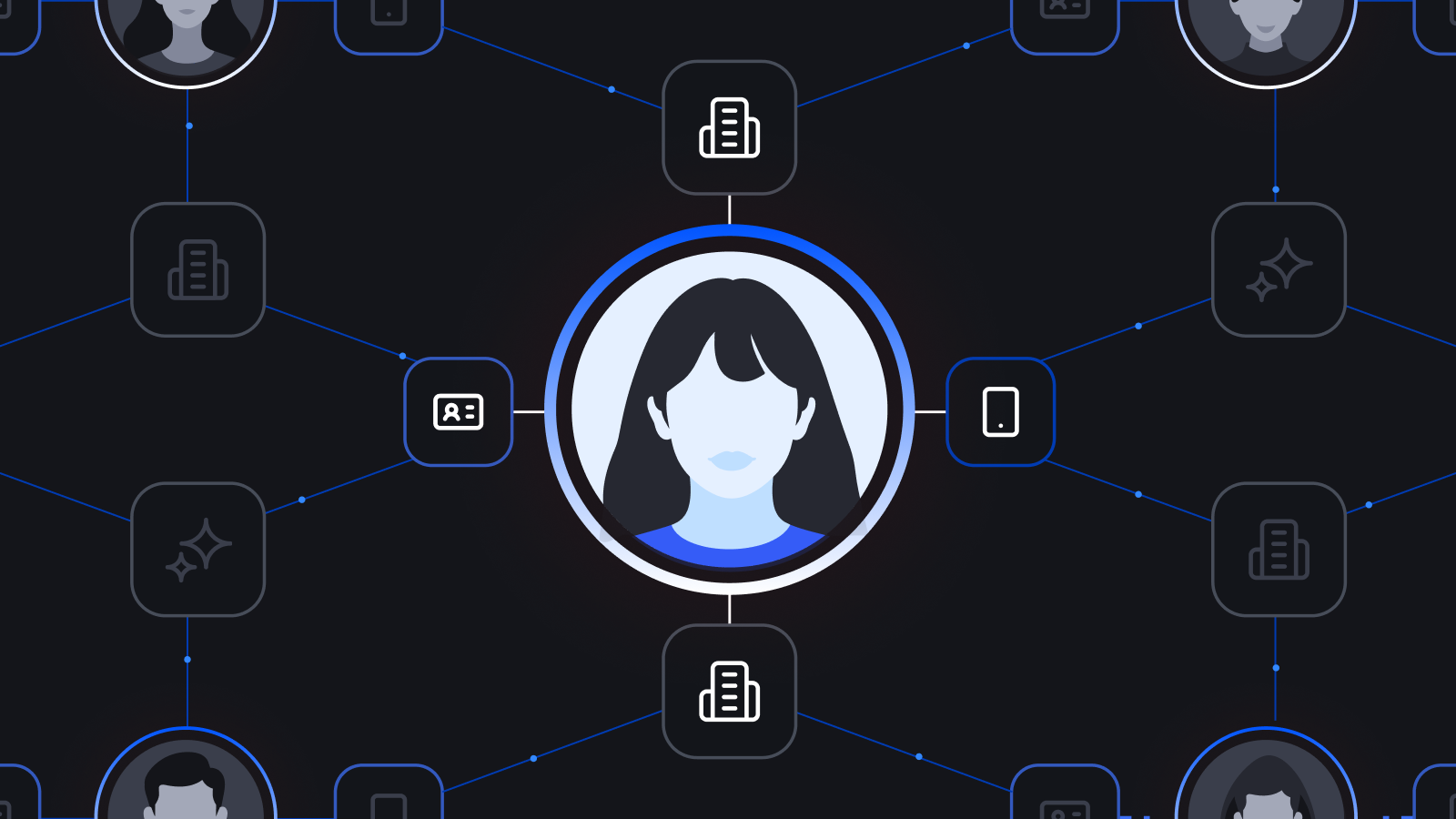
How privacy-preserving fraud detection works inside TrustGraph
See how TrustGraph uses secure multi-party computation to flag repeat fraud across institutions, with customer data staying where it lives.
Read more
Incode launches TrustGraph, the first trust network built for the agentic era
TrustGraph is the first biometric-anchored, privacy-preserving trust network built for the agentic era, enabling financial institutions, marketplaces, and AI companies to detect repeat fraud and agentic fraud.
Read more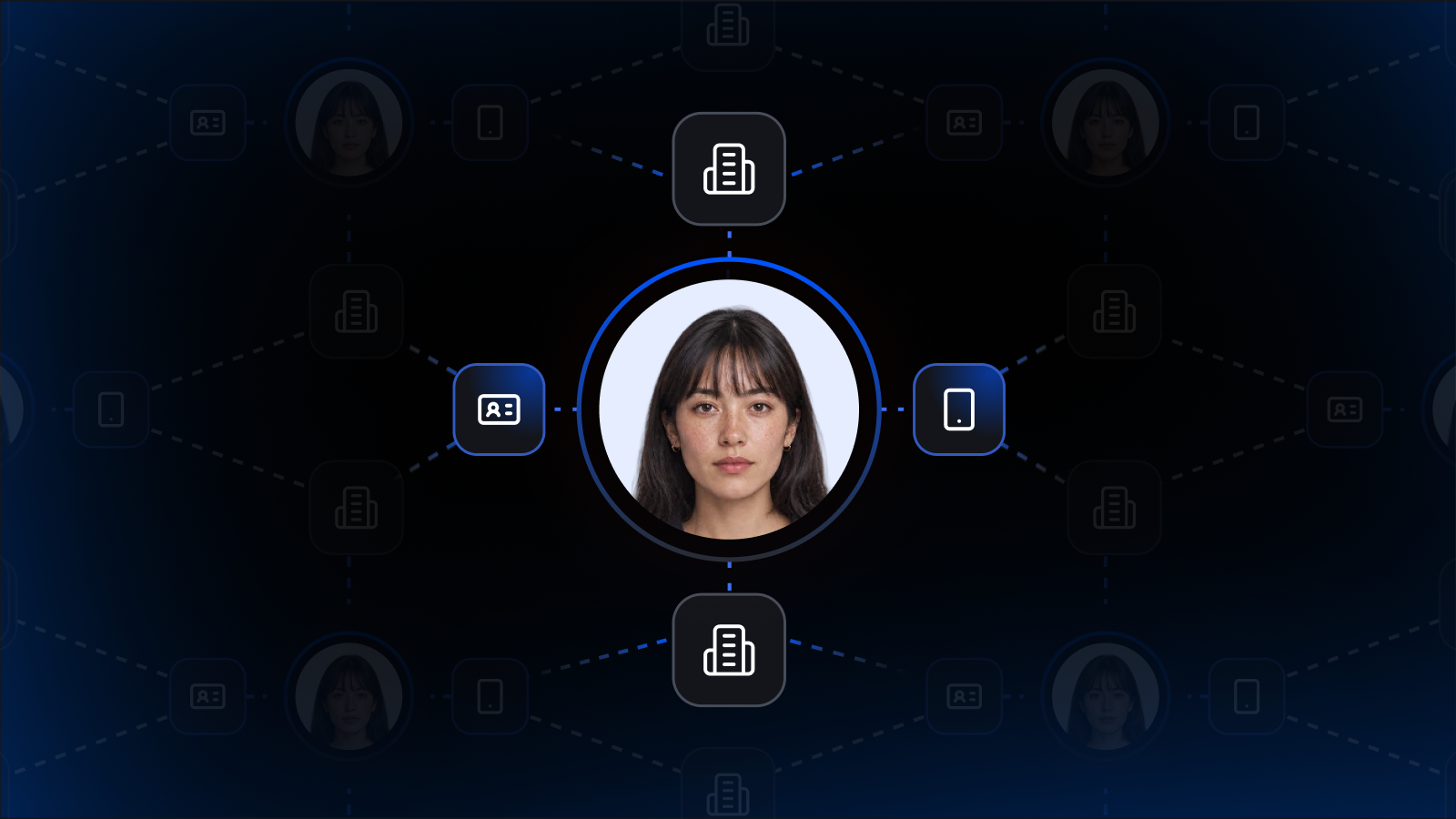
Introducing TrustGraph, the first trust network built for the agentic era
TrustGraph is a privacy-preserving trust network for repeat fraud detection. In early access, institutions detected up to 53% more fraud.
Read more