


Deepfake detection
Telling AI-generated faces apart from real captures.
The system examines a face image or video and decides whether a camera captured a real person or a model generated the face.
Classification of generative artifacts, frequency signatures, and capture inconsistencies in a biometric sample. Generative artifacts are tiny visual flaws that AI models leave behind, and frequency signatures are patterns in how an image's detail is distributed that differ between real and generated images.
Deepfake detection typically works in layers:
- Image and video analysis, which looks for generative artifacts, unnatural blending, and inconsistent lighting or motion.
- Audio analysis, which looks for signs of synthetic or cloned voices.
- Capture integrity checks, which confirm the media came from a real camera and not an injected feed.
- Device and behavior signals, which add context about the session.
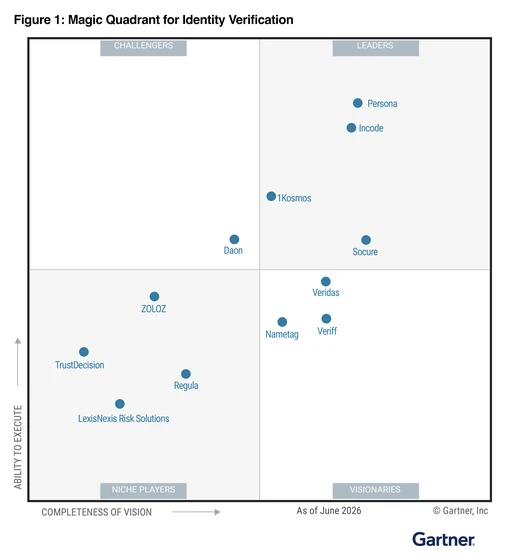
Gartner recommends combining presentation attack detection, injection attack detection, and image inspection to counter deepfake threats, and it advises adding device identification and behavioral analytics on top.
Deepfake detection sits next to terms that are easy to mix up:
- Deepfake is the synthetic media that detection tries to find.
- Liveness detection confirms a live person is present, while deepfake detection judges whether the media itself is synthetic.
- Injection attack delivers fake media past the camera, and detection includes checks for it.
For more, see Deepfakes 101: Examples and deepfake fraud prevention tips.
- Term
- Deepfake detection
- Abbreviation
- None
- Category
- Biometrics
- Slug
deepfake-detection